Singer Sewing Machine Factory Site
Singer Sewing Machine Factory Site: Elizabethport’s Industrial Waterfront
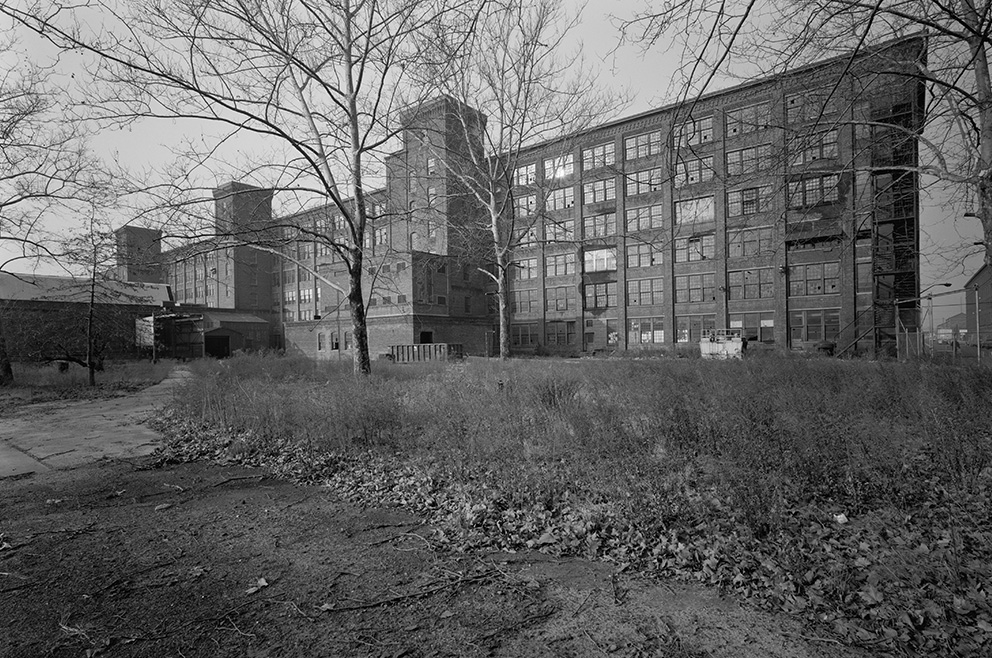
The Singer Sewing Machine Factory Site marks one of the places where Elizabethport became part of a worldwide manufacturing story. On October 18, 1873, the Singer Manufacturing Company transferred all of its United States manufacturing operations to a new complex on Newark Bay. The move placed one of the country’s best-known sewing-machine makers on Elizabeth’s waterfront and made the neighborhood a center of industrial production.
The factory’s importance began with its location. Singer had acquired waterfront land in Elizabethport beginning in 1870, choosing a site with rail connections, tidewater access, and a direct route toward New York Bay. Raw materials could arrive efficiently; finished machines could move out to national and international markets. In an era when transportation shaped industrial growth, Elizabethport offered the company the connections it needed to operate at scale.
The Historic American Engineering Record identifies the Singer complex as the first sewing-machine complex in the United States. Its original red-brick factory rose four stories with a mansard roof; later additions and alterations reflected the company’s growth over time. By the 1870s, Singer’s production had reached a scale that made the Elizabethport plant an unmistakable part of the city’s industrial identity.
For generations, the factory connected local workers and waterfront infrastructure to a global consumer product. Its history belongs to the larger story of Elizabethport: a neighborhood shaped by manufacturing, immigration, railroads, and commerce. Singer did not create that entire story on its own, but the complex became one of its most visible symbols.
The plant’s final chapter also matters. Consumer sewing-machine production in Elizabeth ended in 1980, while industrial sewing-machine work continued until the remaining plant closed in 1982. The historic factory complex no longer operates as a public destination, but its documented history helps visitors understand how closely Elizabethport’s waterfront and rail corridors were tied to the rise of American industry.
This is a historic factory site, not a museum or open campus. Please view the area only from public streets and respect all private-property boundaries. The most meaningful way to experience the landmark is to connect the site to its historic photographs and the larger Elizabethport story.
For more context, read 1873: Singer Manufacturing and Elizabeth’s Industrial Identity. Historic photographs and documentation are available through the Library of Congress Historic American Engineering Record.
Experience This History in Person