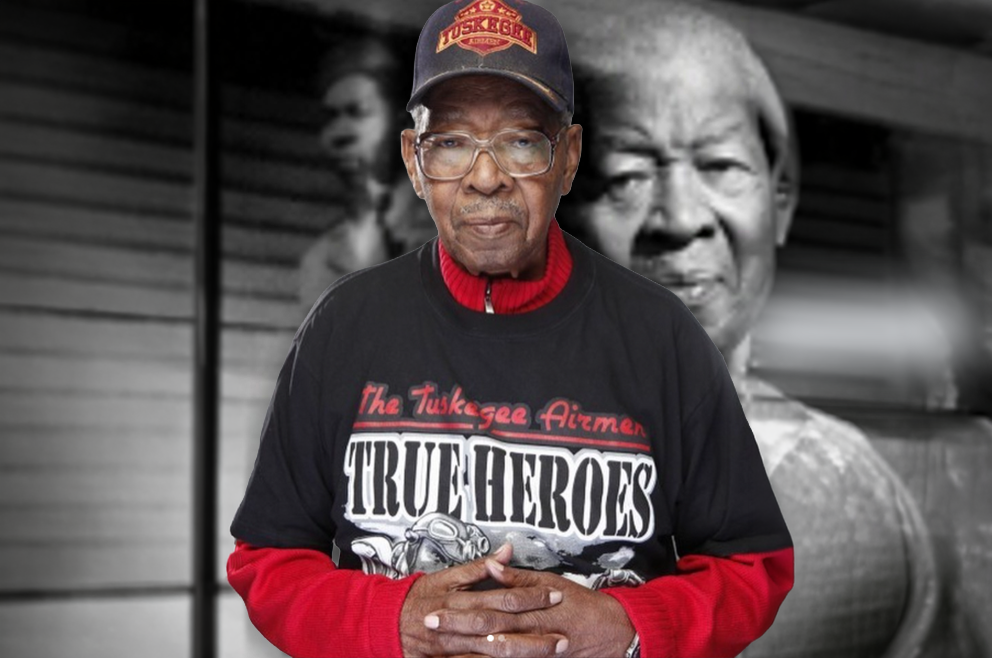
Shade Meshack Lee: Tuskegee Airman – Elizabeth Resident
Shade Meshack Lee (1921–2016)
Tuskegee Airman • Master Sergeant • Electrical Engineer • Elizabeth Resident
Shade Meshack Lee was more than a decorated servicemember—he was part of a generation that reshaped America.
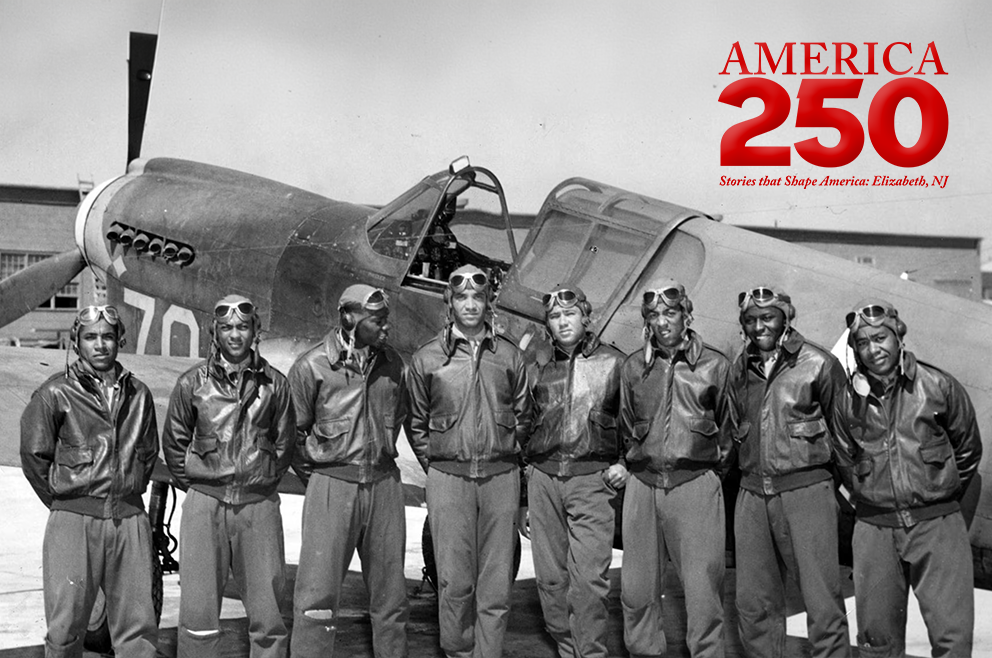
A documented original Tuskegee Airman, Lee reported to Tuskegee Army Air Field in 1942 and rose to the rank of Master Sergeant. As a non-commissioned officer responsible for aircraft maintenance and ground support, he helped keep planes mission-ready for the all-Black combat units during World War II.
His impact didn’t stop at the runway. Lee confronted segregation from within the military and is cited in regional Black history sources as contributing recommendations that supported the integration of U.S. Armed Forces units—an effort aligned with the broader movement that culminated in President Harry S. Truman’s 1948 executive order ending formal military segregation.
After his service, Lee built a career as an electrical engineer and made Elizabeth, New Jersey his home. He remained active in veteran and community events, often sharing firsthand lessons on resilience, discipline, and duty—making his story part of Elizabeth’s living connection to national history.
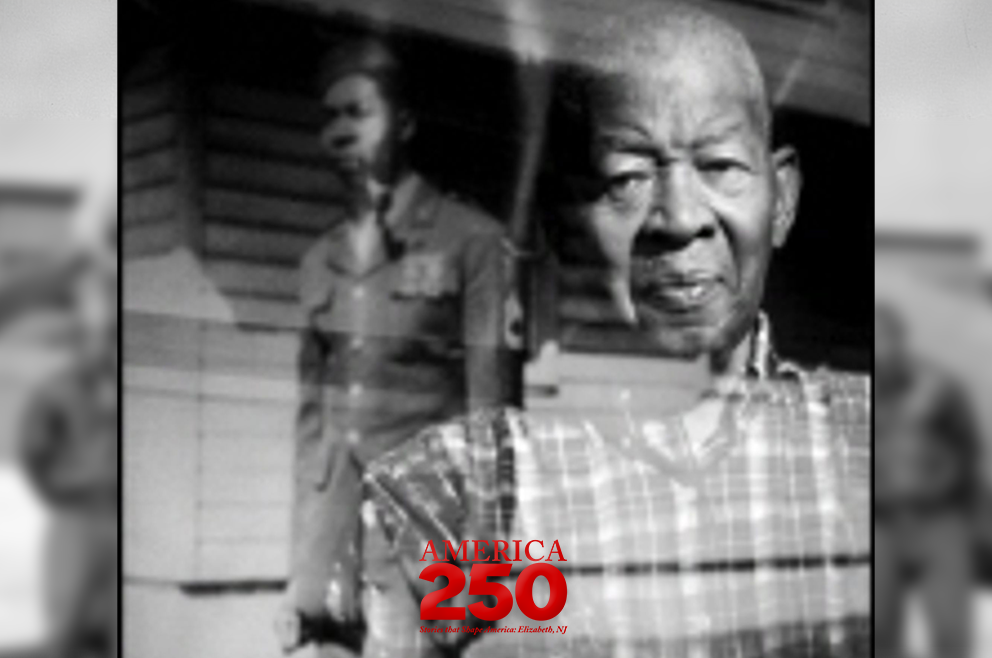
Shade M. Lee Biography
orders to report to Tuskegee Army Air Field as an aviation cadet trainee. He became part of the historic Tuskegee Airmen
program—the first Black American military aviators and support personnel in a segregated Air Corps.
While the Tuskegee Airmen are often associated primarily with fighter pilots, the program relied heavily on highly skilled
ground crews. Lee rose through the ranks to Master Sergeant, serving as a non-commissioned officer responsible for aircraft
maintenance and ground operations. His work ensured aircraft were prepared for combat missions, directly supporting the success and safety of flight crews.
Accounts of Lee’s service highlight not only his technical skill but also his courage in confronting the psychological and
structural barriers of segregation within the military. He is noted in regional Black history documentation as having written
recommendations supporting the integration of military units—ideas that became consistent with the broader movement that culminated in President Truman’s 1948 executive order desegregating the armed forces.
After the war, Lee continued serving in uniform before transitioning into civilian life as an electrical engineer. He settled in Elizabeth, New Jersey, becoming a respected community member and veteran advocate. Local leaders described him as a “proud Tuskegee Airman from Elizabeth,” and he participated in recognition ceremonies, conventions, and educational engagements honoring the Tuskegee Airmen legacy.
In his later years, he maintained ties to both Elizabeth, NJ, and Buford, Georgia. When he passed in 2016 at the age of 95, he was remembered as a “hidden figure” whose life reflected discipline, resilience, and service.
Today, Shade Meshack Lee stands as part of Elizabeth’s living connection to national history—a man whose service during World War II helped reshape the United States military and whose presence in Elizabeth anchors that legacy within our city’s story.