Burry’s Biscuit Corporation and Elizabeth’s Cookie Legacy
The GoElizabethNJ Archives
Original historical research commissioned by GoElizabethNJ, an initiative of the Elizabeth Destination Marketing Organization (EDMO). Research contribution by David Hart, Historic Research & Curatorial Intern.
Burry’s Biscuit Corporation
Few people realize that Elizabeth once played a role in one of America’s most recognizable food stories. Beginning in 1938, Burry’s Biscuit Corporation operated from a major factory in Elizabeth, helping connect the city’s industrial legacy to generations of cookie lovers across America.
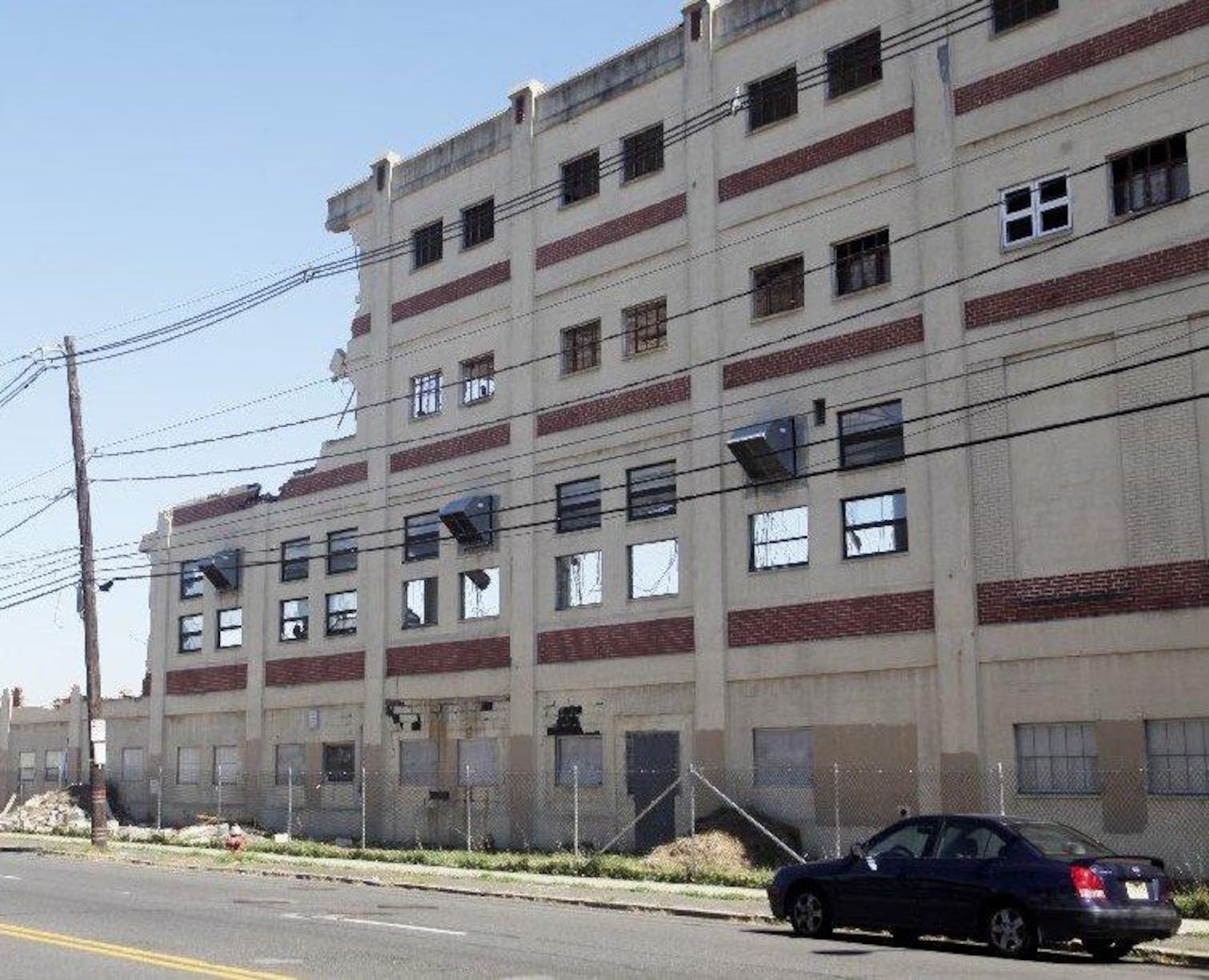
The company’s Elizabeth facility was part of a much older industrial site. The building had originally been constructed in 1917 for Dusenberg Motors to produce engines for the Army and Navy during World War I. It was later sold to John Willys, then acquired by Durant Motors, before eventually becoming Burry’s New Jersey home in 1938.
From Toronto to Elizabeth
Burry Biscuit began in 1888 in Toronto as a confectionery founded by Christina Burry. Over time, the family expanded the business, and in 1933 George William Burry restructured the company in Chicago as a corporation. Just a few years later, Elizabeth became home to one of the company’s most important production sites.
The move to Elizabeth placed Burry’s inside a city already known for transportation, manufacturing, and industrial reinvention. The same building that had once served the automobile industry would now help support large-scale food production.
Elizabeth and the Girl Scout Cookie Story
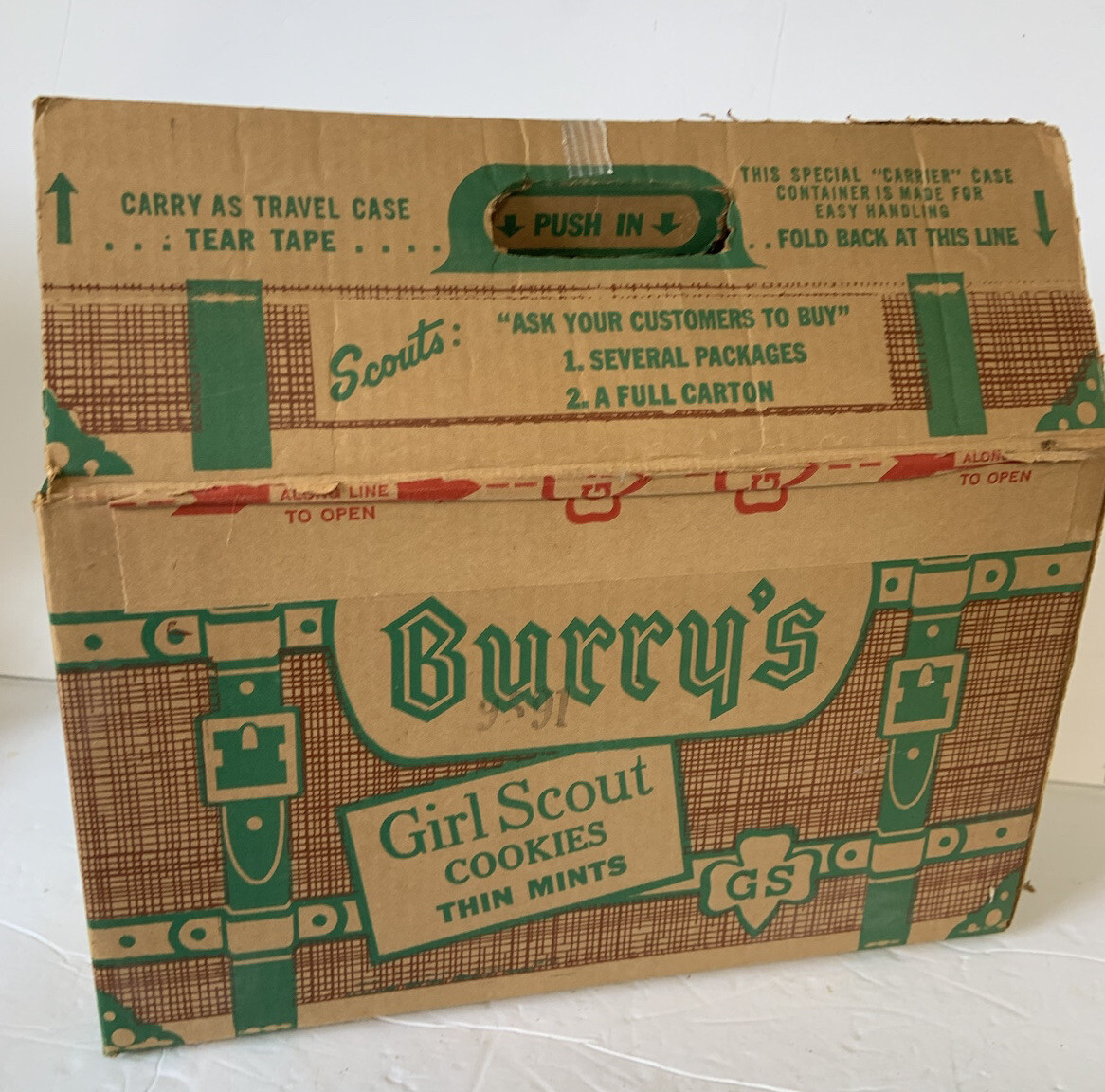
Burry’s became one of the baking companies associated with the rise of Girl Scout cookie sales. Girl Scout cookie sales began in 1934, and Burry’s was one of the nearly 30 baking companies that helped supply the treats that became a national tradition.
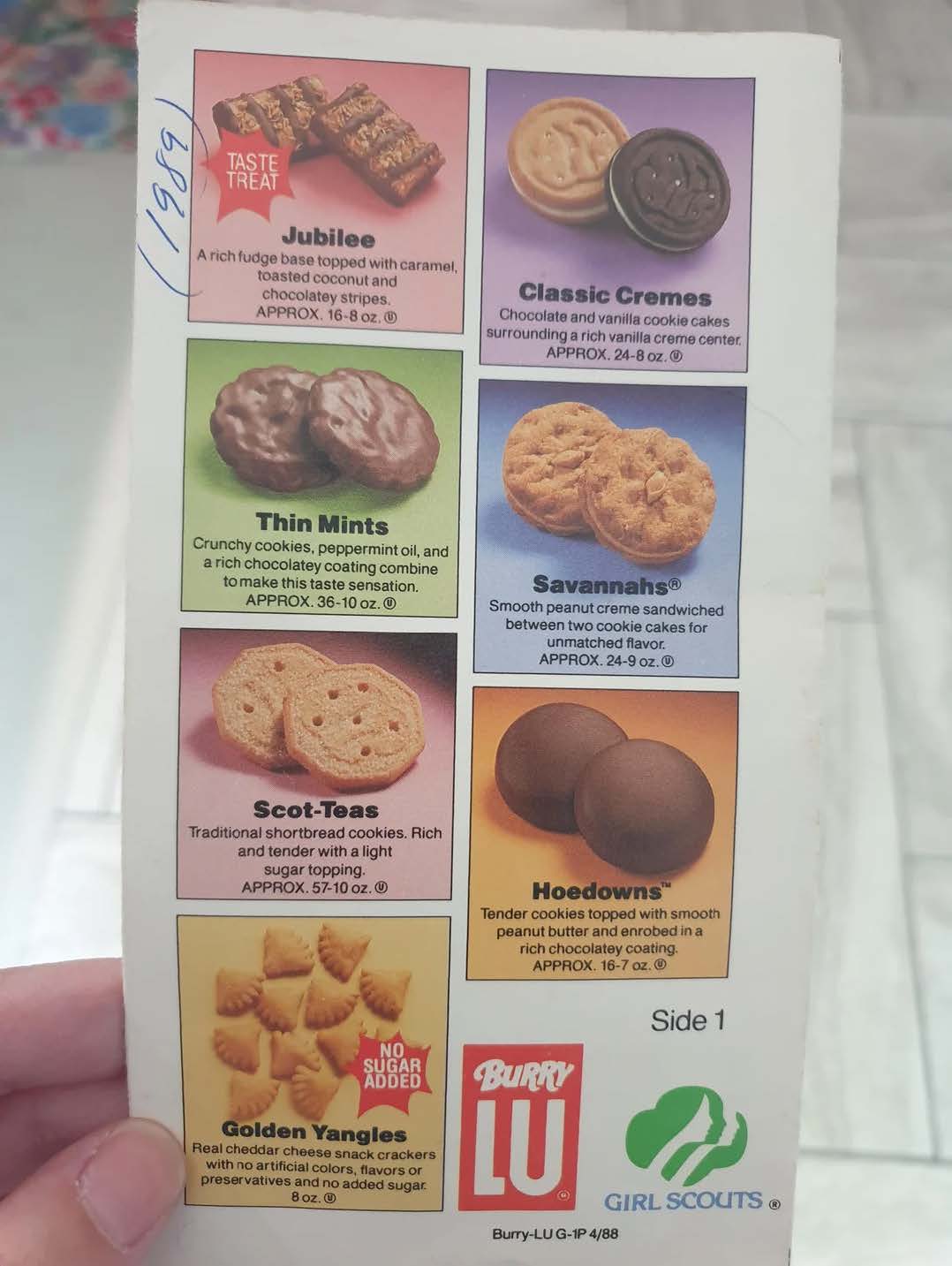
Among the best-known products connected to Burry’s were Scot-Teas, a shortbread cookie produced between 1959 and 1980 and advertised as being “rich and tender with a light sugar topping.” The company also introduced Golden Yangles in the 1980s, a savory cheese cracker that offered a very different take on the Girl Scout snack lineup.
More Than One Factory
Although Elizabeth became a major Burry’s location, it was not the company’s only factory. Burry’s also operated facilities in Chicago, Brooklyn, Myerstown, Pennsylvania, and Detroit. Still, the Elizabeth plant stands out as an important part of the city’s 20th-century industrial identity.
The company also played a role in shaping the popularity of certain cookie varieties. Marketing manager J.R. McAllister Borie is credited with helping popularize Thin Mint Girl Scout cookies during the period when Burry’s was one of the bakers behind them.
Corporate Change and a Long Goodbye
In January 1962, Quaker Oats acquired Burry’s after negotiations that had begun the previous year. George W. Burry became Vice President of Burry’s Biscuit Division as part of the transition. Even through corporate change, the Elizabeth factory remained part of the company’s longer production history.
Burry’s production of Girl Scout cookies lasted from 1936 until 1989. In later years, the company shifted toward frozen baked products such as bagels, English muffins, breads, and soufflés. The Elizabeth factory continued operating as a bakery until 2006, briefly served as a warehouse, and then was lost in a dramatic fire in 2011.
An Industrial Site with Many Lives
The Burry’s Biscuit site tells a larger Elizabeth story. It reflects how one industrial building could move from wartime engine production to automobile manufacturing and then into food production. That layered history speaks directly to the city’s adaptability, workforce, and long-standing role in American industry.
For many residents, the memory of Burry’s is tied not just to the factory itself, but to the larger identity of Elizabethport as a place where goods were made, shipped, and sent far beyond city limits. In that sense, Burry’s was more than a bakery. It was part of Elizabeth’s economic and cultural footprint.
Why This History Matters
The story of Burry’s Biscuit Corporation reminds us that Elizabeth’s industrial history was not limited to railroads, shipping, or machinery. It also included the production of everyday items that became part of American life. From cookies to crackers, the work done in Elizabeth reached homes across the country.
Today, the factory is gone, but its story still helps illustrate how Elizabeth contributed to national industries in ways that many people would never expect.
Sources
- The Herald News, “George W. Burry, Biscuit Firm Head,” Passaic, NJ, October 3, 1963
- The New York Times, “Quaker Oats Eyes Burry Biscuit Co.,” July 11, 1961
- The Philadelphia Inquirer, “J.R. McAllister Borie, 86, popularized Thin Mint Girl Scout cookie,” April 7, 2017
- William Starr Myers, Prominent Families of New Jersey
- RWJBarnabas Health / Trinitas Regional Medical Center history page
- Girl Scouts blog on retired cookie varieties
- Burry Foods corporate history page
- NJ.com, reporting on the 2011 Elizabeth factory fire
- Quaker Oats Annual Reports, 1962
Images sourced are in the public domain or used for historical reference where applicable.
From the GoElizabethNJ Archives:
A growing body of original historical research commissioned by GoElizabethNJ, an initiative of the Elizabeth Destination Marketing Organization (EDMO). The Archives strengthens the Elizabeth at 250 timeline through verified research, archival documentation, and scholarly contributions.
Experience This History in Person